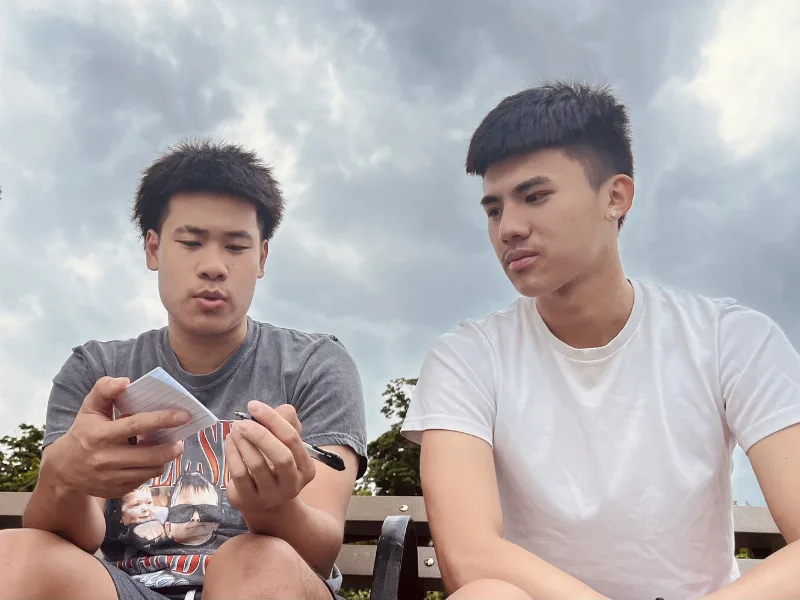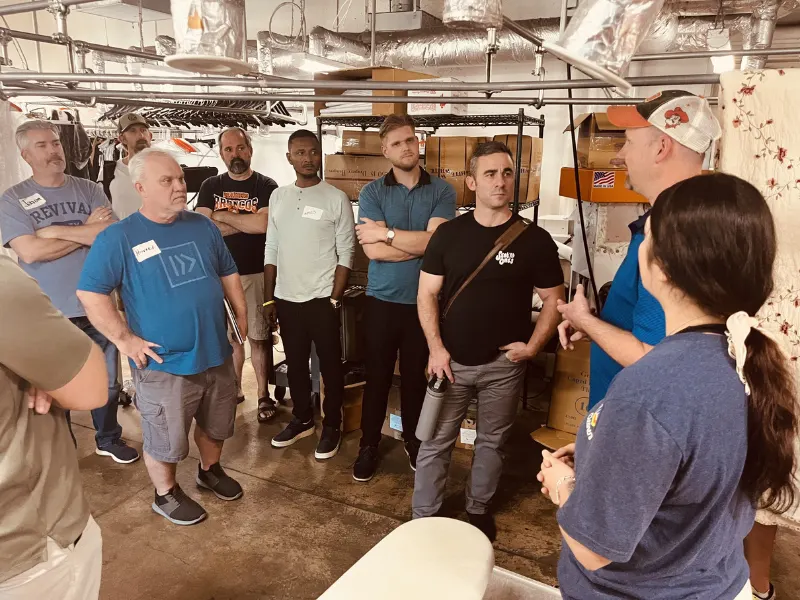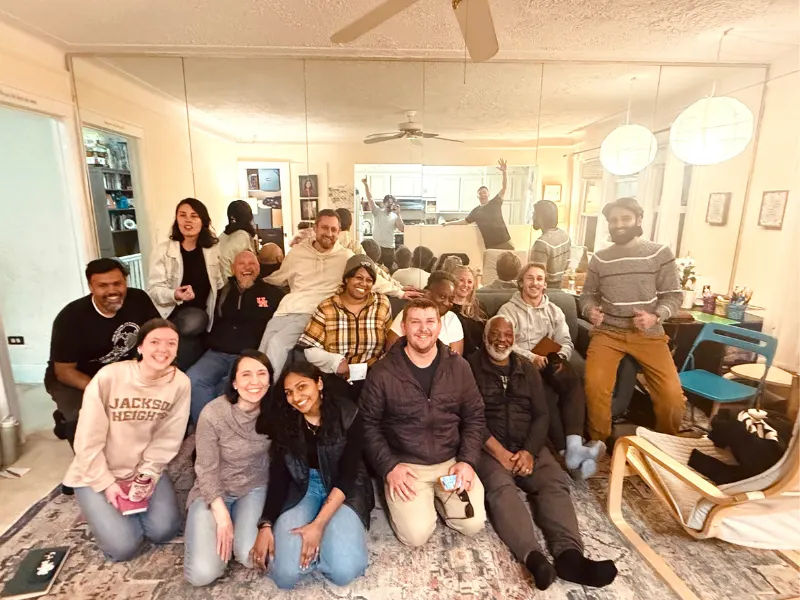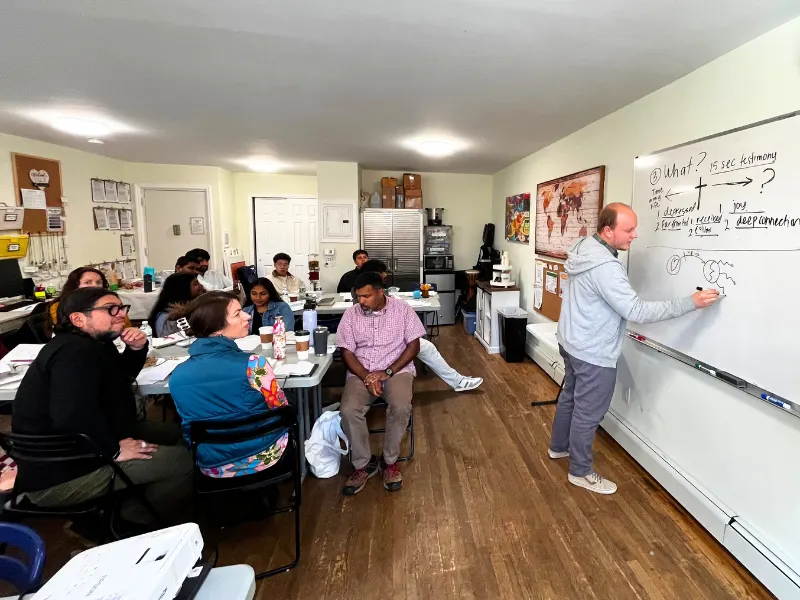
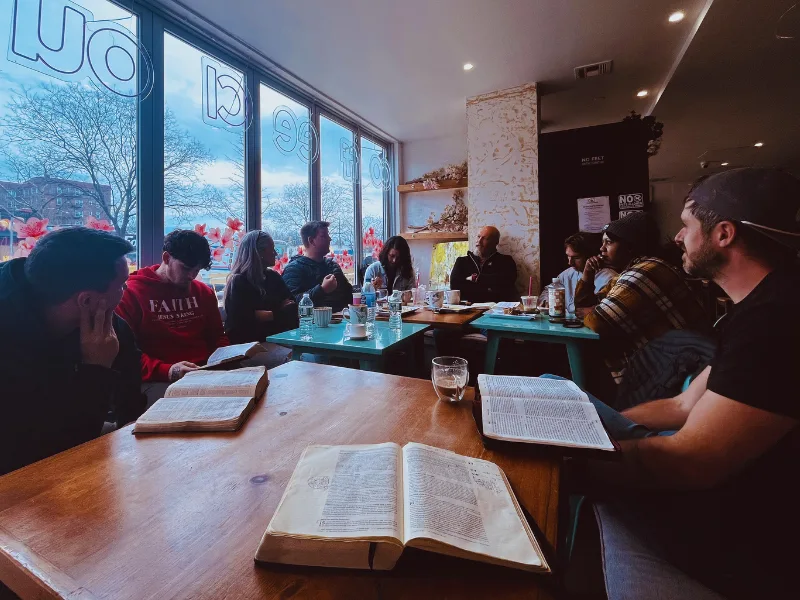
Step into real settings. Walk through workplaces, homes, businesses, and neighborhood spaces where disciple-making is being practiced in normal life. Watch what happens, ask questions while it’s fresh, and stop guessing what this is supposed to look like.
Limited spots. New York City. 2 to 3 days. Built for people making disciples while living normal working lives.
What this actually is
Most people leave training still guessing.
This removes the guesswork.
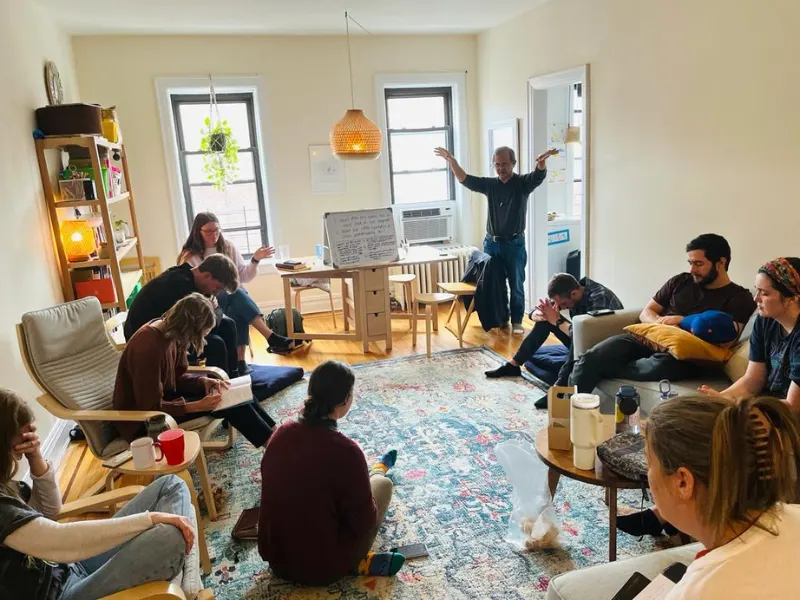
You won’t sit in a room all day taking notes. You’ll step into homes, coffee shops, workplaces, and businesses where real people are trying to live this out.
You watch something happen, then immediately ask the person to walk you through their thinking. That’s a conversation you can’t have from a book or a conference room.
You don’t leave trying to imagine it. You’ve already seen it.
Most training
Hear it. Practice some. Imagine the rest.
Good training gives you language and tools. Sometimes it even gives you practice. But most people still go home trying to picture what this looks like in actual homes, workplaces, neighborhoods, and weekly rhythms.
What you’ll do
What you’ll actually do
✓Step into someone’s actual workplace, home, or neighborhood rhythm, not a simulation
✓Watch someone move a conversation toward faith and see exactly how they did it
✓Ask why something happened while it’s still fresh
✓Visit businesses, workplaces, and community spaces and hear the story behind them
✓Debrief the normal parts, the awkward parts, and the wins
✓Leave with a written list: one thing to stop, one thing to start, one relationship to invest in
What happens
See real rhythms in normal places.
You walk into real places where disciple-making is being practiced: a coffee shop, a home, a workplace, or a neighborhood space. Not a demo. Not a role play. You’re a guest in someone’s actual rhythm.
What happens
Break things down while they’re fresh.
Right after you leave, the group stops and unpacks what just happened. Why did he ask it that way? Why did she wait before saying anything? You decode it while it’s still in front of you.
What happens
See how vocation becomes part of the platform.
A leader walks you through the place and explains how vocation, daily rhythms, decisions, and long-term relationships have become part of the disciple-making platform.
What happens
Go home with fewer excuses.
On the last evening, each person writes down one thing to stop, one thing to start, and one relationship to invest in. You leave with a list, not a feeling.
What it feels like
What 2–3 days feels like
Morning
Short prayer, focused teaching, and one question to carry with you
Midday
Visit 1–2 real places: a business, home, or neighborhood space
Afternoon
Watch real conversations, sometimes try one yourself, and note what surprised you
Evening
Dinner, debrief, questions, and a few concrete next steps
Who it’s for
Who this is for and not for
Who this is for
You’re trying to make disciples in everyday life, but it still feels fuzzy. You’ve heard the principles. You’ve seen the diagrams. Now you need to watch it happen in the wild.
You don’t have to be in full-time ministry. This is for people with jobs, neighborhoods, churches, families, and actual weekly responsibilities.
✓You’ve had training but still need a picture
✓You want practice, not just ideas
✓You want something reproducible, not impressive
✓You want to understand what covocational life can actually look like
Who this is not for
✕People looking for a polished conference experience
✕People who want inspiration without engagement
✕People who only want theory
✕People only looking for inspiration, not changes to their actual rhythms
Upcoming immersions
Open immersions
No immersions remaining in 2026. Check back soon.
Proof
What people walk away with
“I realized I’ve been overcomplicating this for years.”
[Name], [City / Role]
“I watched a conversation and thought, oh… I can do that.”
[Name], [City / Role]
“Seeing the businesses and hearing the stories made covocational life click for me in a way it never had before.”
[Name], [City / Role]
Common questions
No. But you should come ready to learn, observe, ask questions, and engage.
Yes. Each morning starts with a short teaching, usually tied to what you’re about to see or what you just saw. It frames the observation. It doesn’t replace it.
Not in a weird way. You are not being thrown into performance mode. You will watch, ask questions, walk through real places, and debrief what you saw.
The final debrief helps you name what to try, what to stop doing, who to talk with, and what rhythm to begin when you get home.
Yes. Teams are welcome.
Often, yes. You might walk through a business while the owner explains how daily rhythms, decisions, and relationships connect to disciple-making, or visit a community space someone built through their vocation. The specific locations depend on who’s hosting.
No. Most attendees arrange that separately.
Spots are limited because the group has to stay small enough to remain hands-on.
You don’t need another training. You need to see it.
If you’re done guessing what disciple-making looks like in normal life, come see it up close.